Sourcing local and seasonal flowers
A number of organisations are working hard to connect florists with domestically grown flowers.
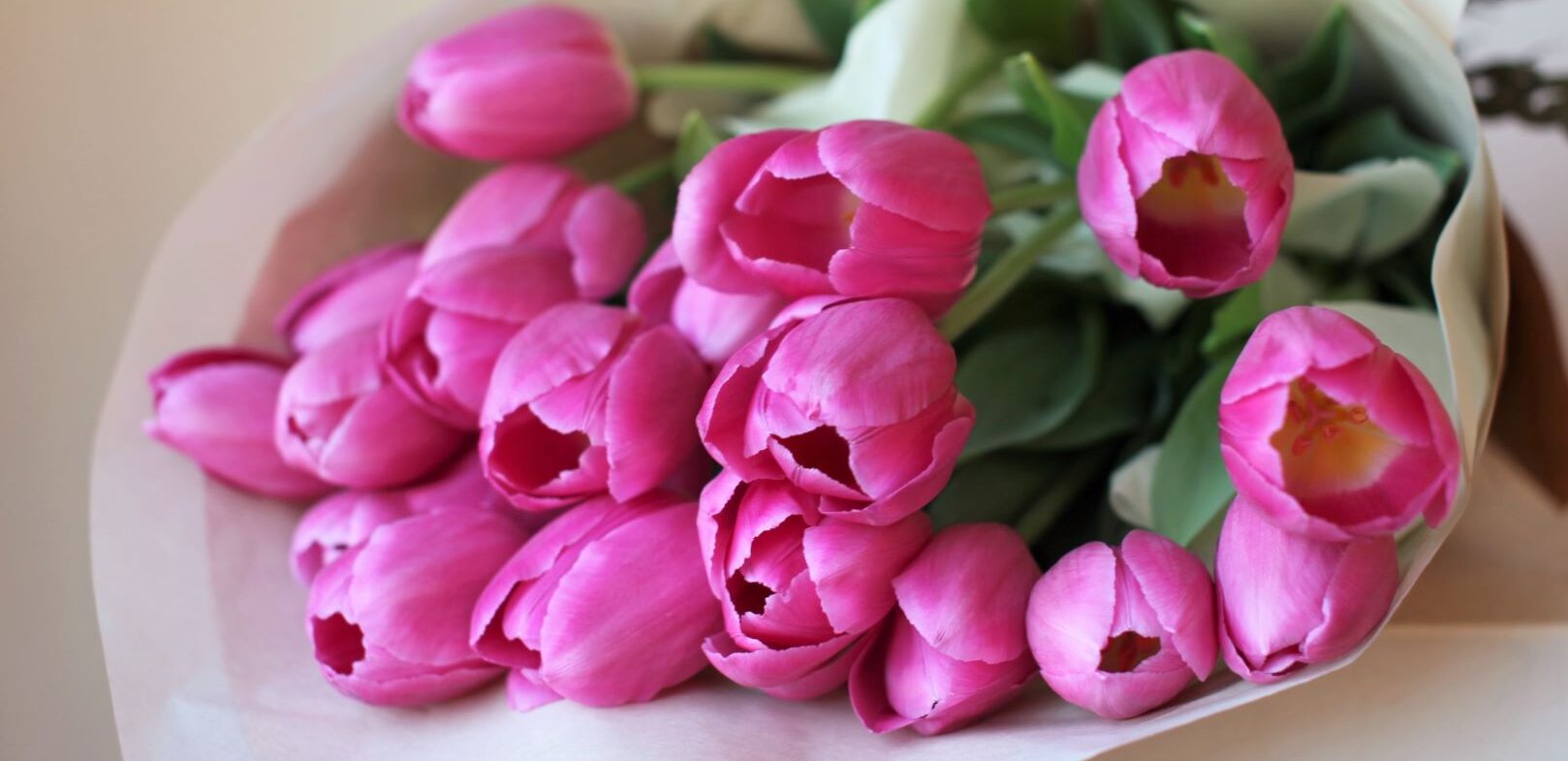
Finding locally grown flowers
Following the seasons and sourcing locally-grown flowers and foliage are key factors in more sustainable floral design.
Local and seasonal flowers generally require fewer inputs for production (heat, cooling, chemicals, infrastructure), have a smaller transport footprint and can provide economic support to the local economy.
Supporting locally grown and seasonal is a key principle of the slow flower movement . This movement has evolved with a similar philosophy to the slow food movement which “envisions a world in which all people can access and enjoy food that is good for them, good for those who grow it and good for the planet”. Both movements aim to address the damaging practices associated with modern agricultural systems and promote practices which regenerate the environment.
A number of countries have directories set up to support seasonal growers and suppliers and connect flower growers with both retail and wholesale customers.
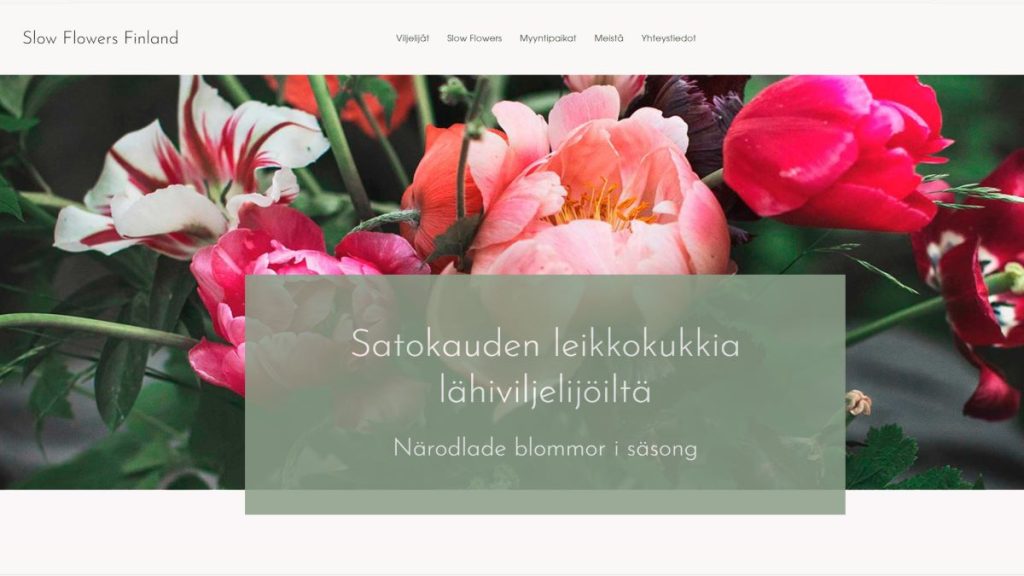
Finland
Slow Flowers Finland
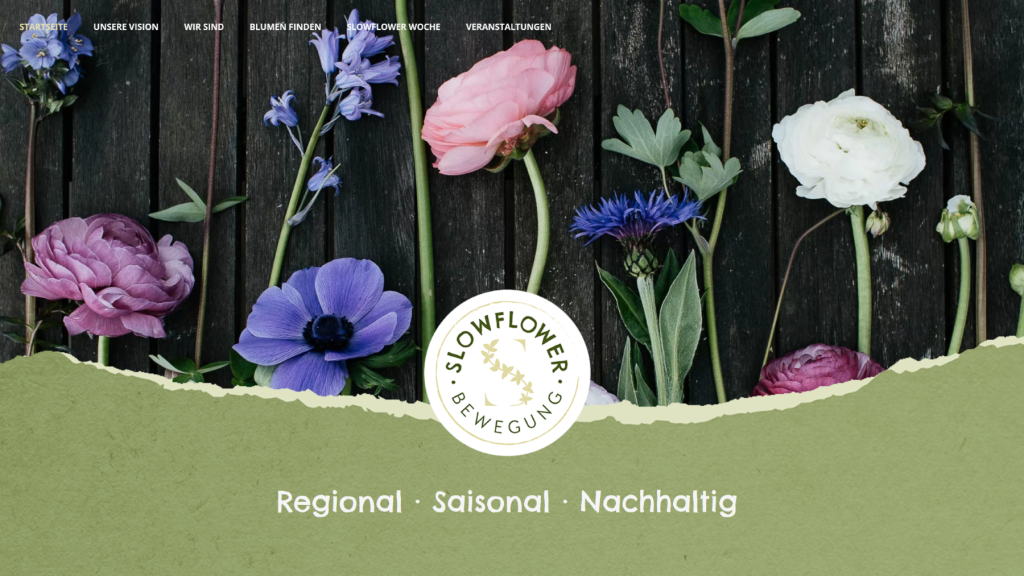
Germany
Slow Flowers Movement
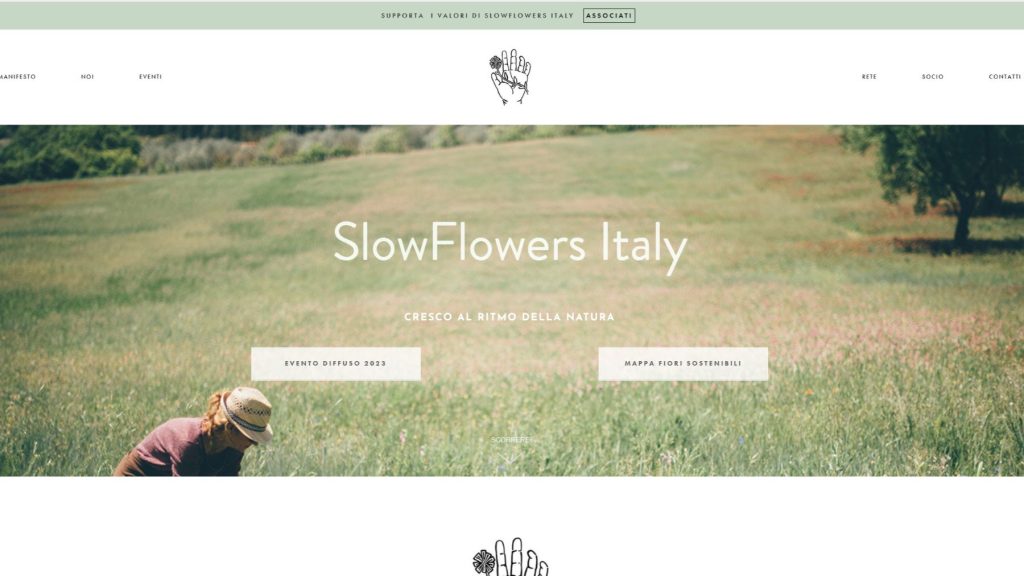
Italy
Slow Flowers Association
United Kingdom
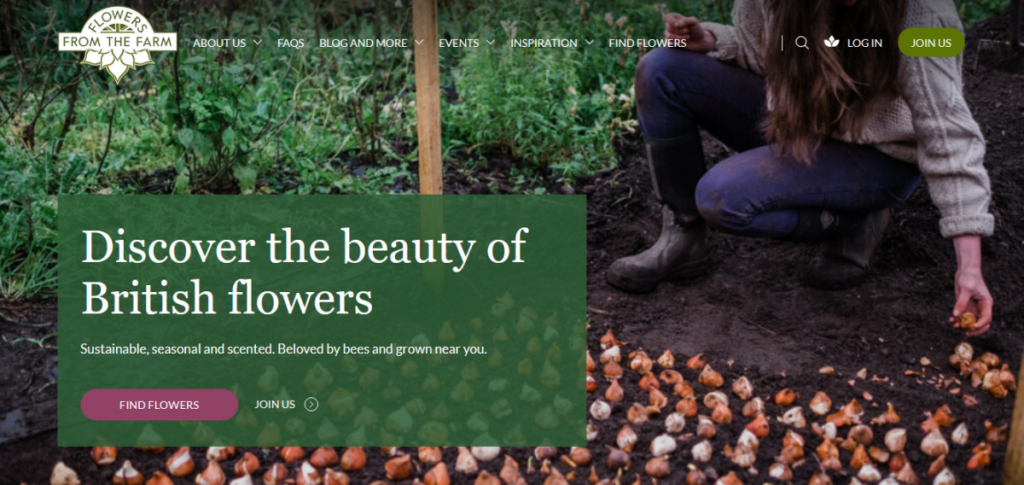
Flowers from the Farm
United States + Canada
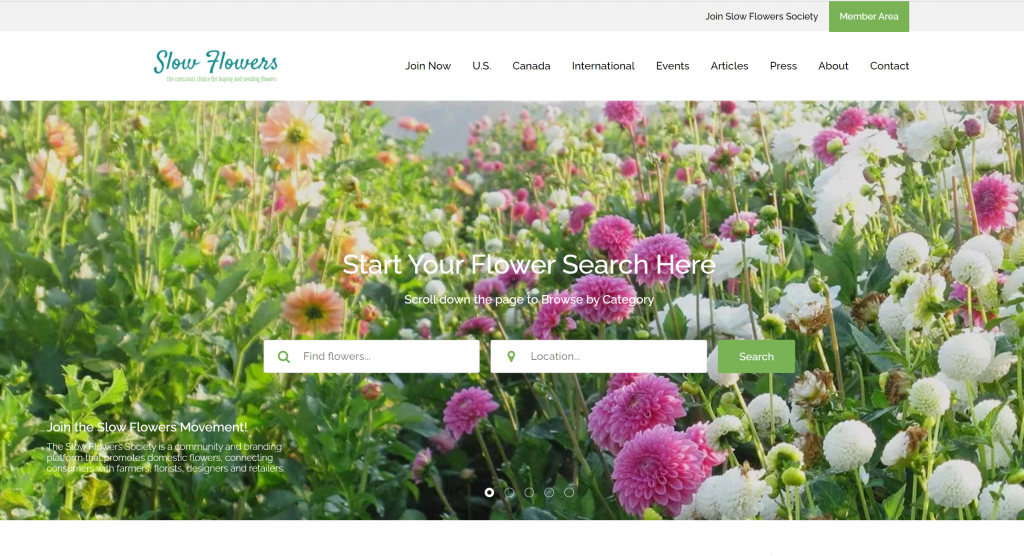
Slow Flowers Directory
United States
Rooted Farmers
